
Student Village Academy › Forums › CAREERS AND JOBS › Skill Development › The Most Valuable Skills You Can Learn As A Student – And How to Develop Them
Tagged: skill development
- This topic has 0 replies, 1 voice, and was last updated 6 months, 3 weeks ago by
 justseyi.
-
AuthorPosts
-
-
September 20, 2025 at 1:57 PM #83842
 justseyiKeymaster
The Most Valuable Skills You Can Learn As A Student – And How to Develop Them
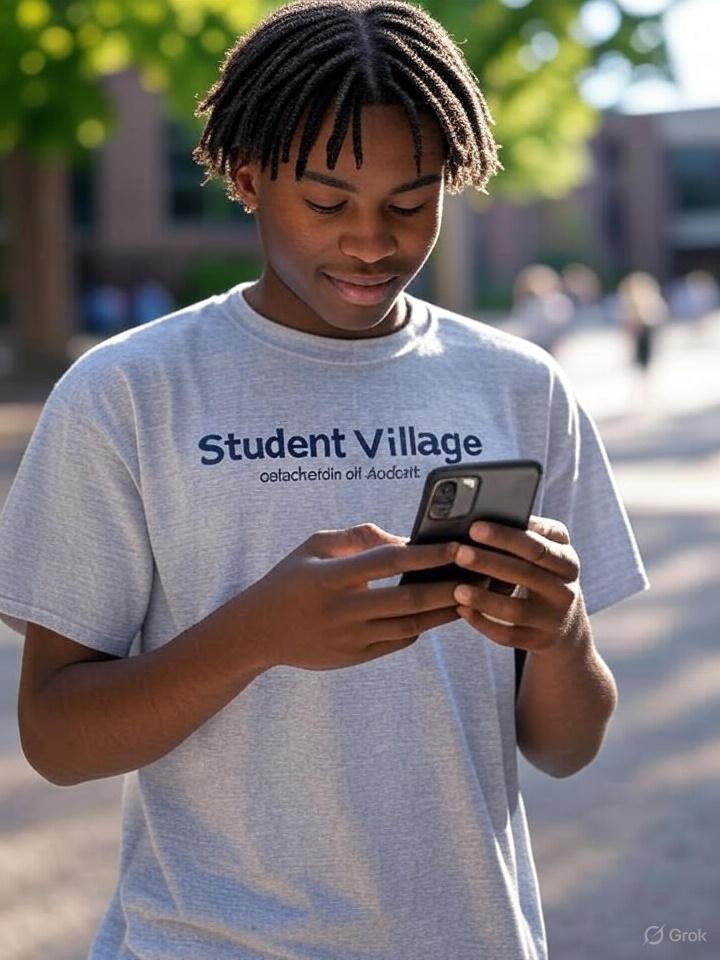
When people are asked what the most valuable skills in life are, the answers vary widely—but certain themes stand out. From emotional intelligence to practical know-how, these skills can shape your career, relationships, and overall well-being. Below are some of the top skills people believe are essential, along with practical ways to learn them.
1. Communication and Listening
Clear communication—both speaking and listening—is one of the most important life skills. Whether you’re at work, in relationships, or dealing with strangers, the ability to convey ideas and understand others is key.How to learn:
Practice active listening by summarizing what others say before responding.
Join clubs like Toastmasters to improve public speaking.
Take online courses on effective communication.
Start journaling to sharpen clarity of thought.2. Emotional Intelligence & Self-Awareness
Many highlighted emotional intelligence (EQ) as the ultimate skill. It includes empathy, self-control, and awareness of how your emotions affect others. EQ helps you read a room, resolve conflicts, and connect with people more deeply.How to learn:
Practice mindfulness or meditation.
Ask for honest feedback from friends or colleagues.
Read books like Emotional Intelligence 2.0 by Travis Bradberry.
Reflect daily on your reactions and what triggered them.3. Stress, Time, and Self-Management
Managing your time, energy, and emotions under pressure is crucial. Time management paired with stress management can boost productivity and peace of mind.How to learn:
Use tools like calendars, task managers, and time-blocking methods.
Try breathing techniques and exercise to handle stress.
Read Getting Things Done by David Allen for productivity systems.
Learn to say no—setting boundaries is a key part of managing your life.4. Resilience and Handling Failure
The ability to take rejection or failure in stride can determine how far you go. Those who bounce back faster, learn from setbacks, and keep moving tend to succeed long-term.How to learn:
Reframe failure as feedback rather than defeat.
Study biographies of resilient leaders.
Celebrate small wins to build persistence.
Practice gratitude to shift perspective.5. Critical Thinking and Problem Solving
Critical thinking is about asking the right questions: Are my sources credible? Am I addressing the root cause or just the symptom? This skill helps you make better decisions at work and in life.How to learn:
Take free logic and reasoning courses online.
Challenge your own beliefs by reading diverse perspectives.
Engage in debates and discussions to sharpen analysis.
Use frameworks like “Five Whys” to dig into problems.6. Practical Everyday Skills
Some of the most valuable skills are surprisingly down-to-earth:Cooking & Cleaning – essential for independence.
First Aid – could save a life.
Budgeting & Finance – builds long-term security.
Car Maintenance – saves money and stress.
Negotiation & Sales – valuable in business and daily life.
How to learn:Follow YouTube tutorials for cooking, cleaning hacks, and car fixes.
Take a certified first aid class.
Use budgeting apps like Mint or YNAB.
Role-play negotiation scenarios with friends.7. Focus and Self-Control
Being able to resist distractions, delay gratification, and stay calm under pressure makes you far more effective.How to learn:
Practice the Pomodoro technique for focus.
Train self-control by starting with small daily habits.
Try yoga and meditation to regulate emotions.
Read Viktor Frankl’s Man’s Search for Meaning for lessons on choosing responses to challenges.8. Confidence and Mindfulness
Confidence opens doors, while mindfulness keeps you grounded. Together, they make you more resilient and adaptable.How to learn:
Step out of your comfort zone regularly.
Use affirmations and visualization techniques.
Practice mindfulness meditation for awareness.
Seek constructive criticism and use it to grow.9. Languages and Cultural Skills
Learning another language isn’t just about words—it opens your mind to new cultures and opportunities.How to learn:
Use apps like Duolingo or Babbel daily.
Practice with native speakers via language exchange sites.
Watch movies or listen to music in your target language.10. Self-Defense and Physical Training
Several people mentioned martial arts, yoga, or combat training—not out of aggression, but for confidence and safety.How to learn:
Enroll in a local martial arts or self-defense class.
Practice yoga for calmness and flexibility.
Train regularly to build physical resilience.Final Thought
The most valuable skills aren’t just technical—they’re a mix of emotional, practical, and intellectual abilities that help you thrive in everyday life. The good news? Almost all of them can be learned with consistency, curiosity, and practice.In short: Focus on communication, emotional intelligence, time management, resilience, and practical life skills—and you’ll be equipped to handle almost anything life throws your way.
-
-
AuthorPosts
- You must be logged in to reply to this topic.