
Student Village Academy › Forums › HEALTH AND RELATIONSHIPS › Self Care › Shocking Truth About Milo in Nigeria: A Wake-Up Call for Parents!
- This topic has 0 replies, 1 voice, and was last updated 7 months, 1 week ago by
 justseyi.
-
AuthorPosts
-
-
August 30, 2025 at 10:45 AM #82849
 justseyiKeymaster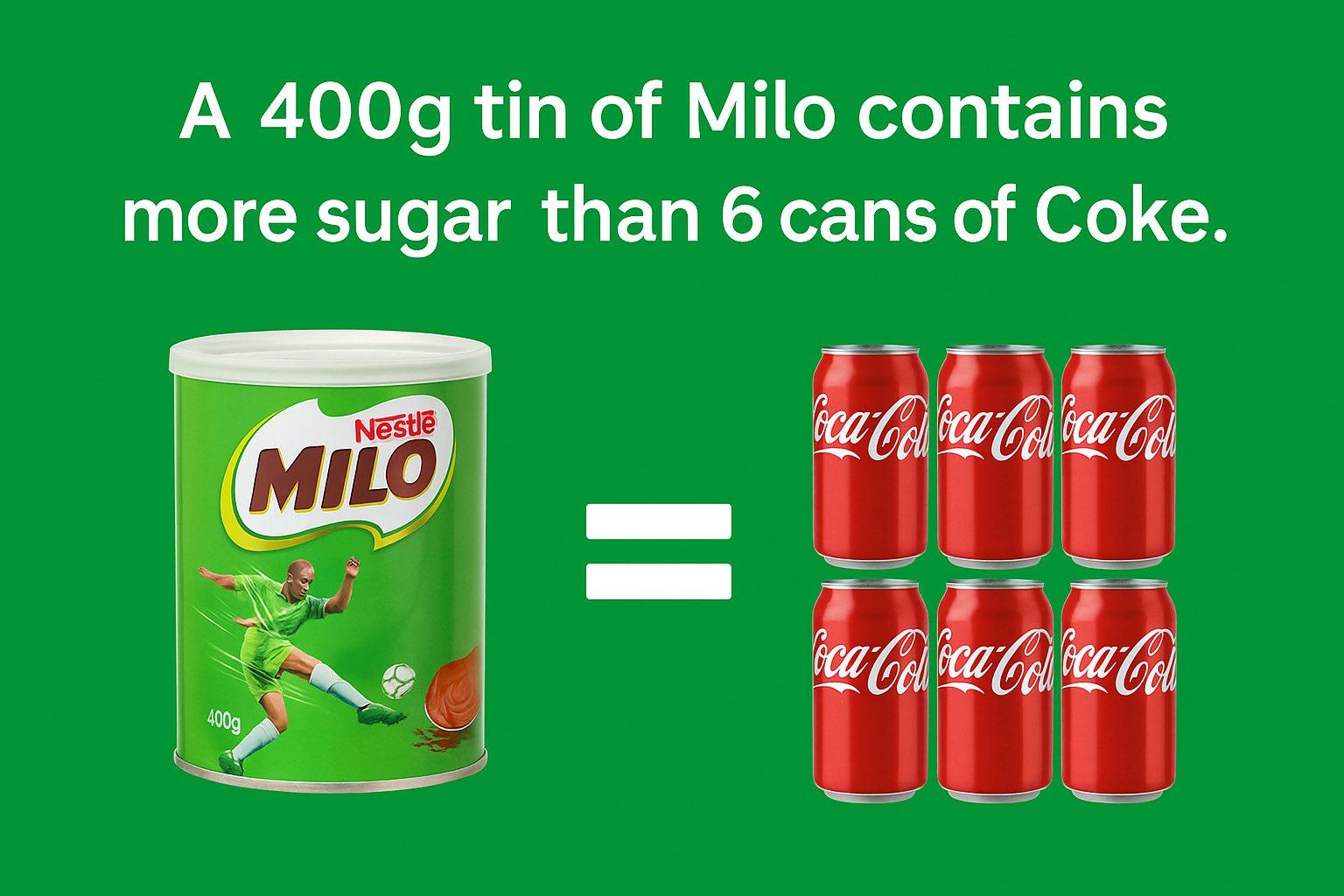
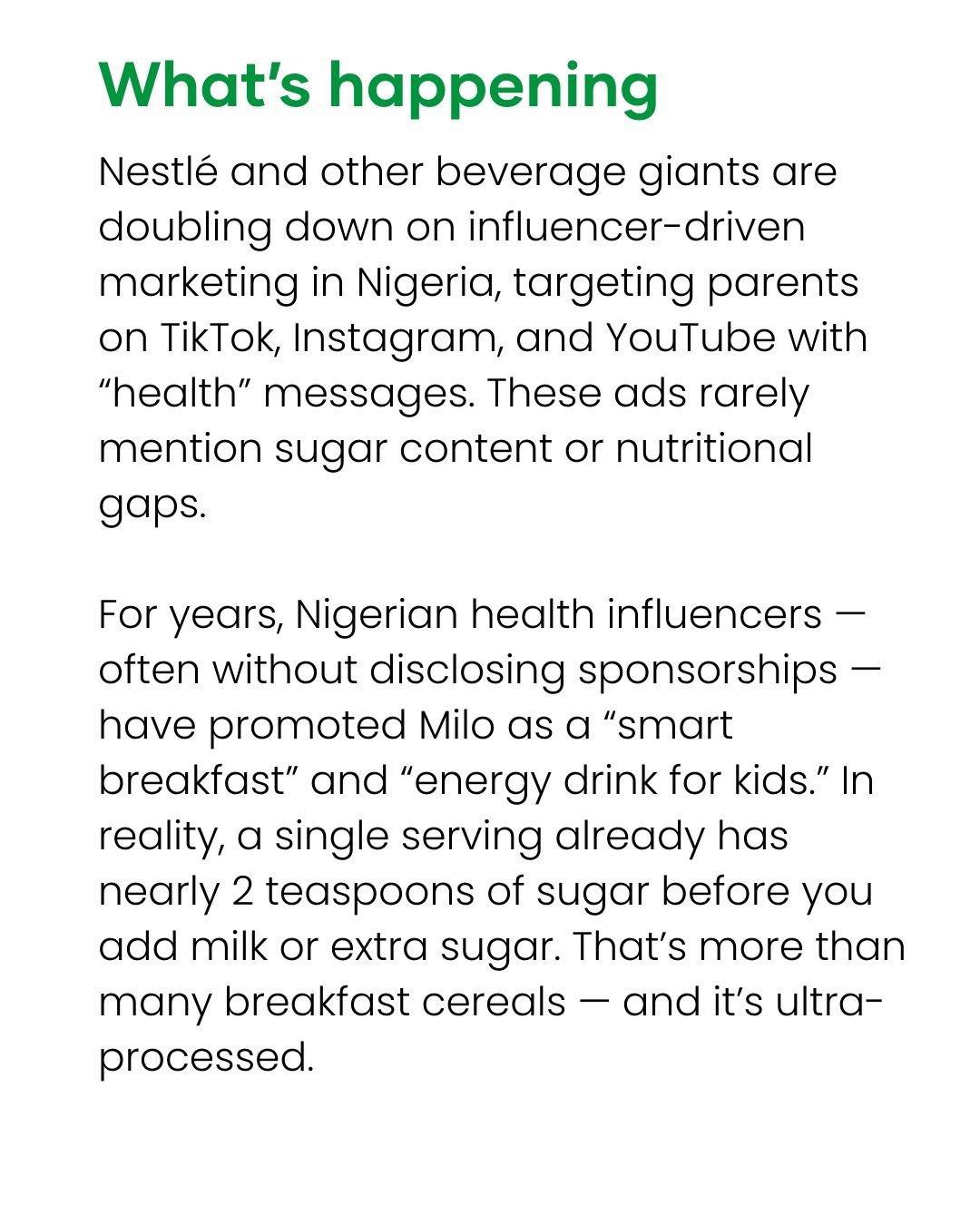
Hey, Nigerian parents—let’s talk about that 400g tin of Milo your kids can’t start their day without. You might think you’re fueling their mornings with a “smart breakfast” or an “energy boost,” but brace yourself: that beloved chocolatey drink is hiding a sugar bomb that could rival SIX cans of Coke! Yes, you read that right. I dug into the facts, and what I uncovered might just change how you view that iconic tin on your kitchen shelf. Walk with me as we unpack this eye-opening revelation!
The Sugar Shock
Milo, marketed by Nestlé as the go-to drink for active, growing kids, has a dark secret in its Nigerian version. Let’s break it down with the nutrition label:Nigerian Milo packs a whopping 53 grams of sugar per 100 grams—that’s over 50% sugar by weight!
A standard 400g tin translates to 212 grams of sugar in total.
Compare that to a can of Coke, which has about 35 grams of sugar. Do the math: 212 grams is equivalent to SIX cans of Coke’s sugar content!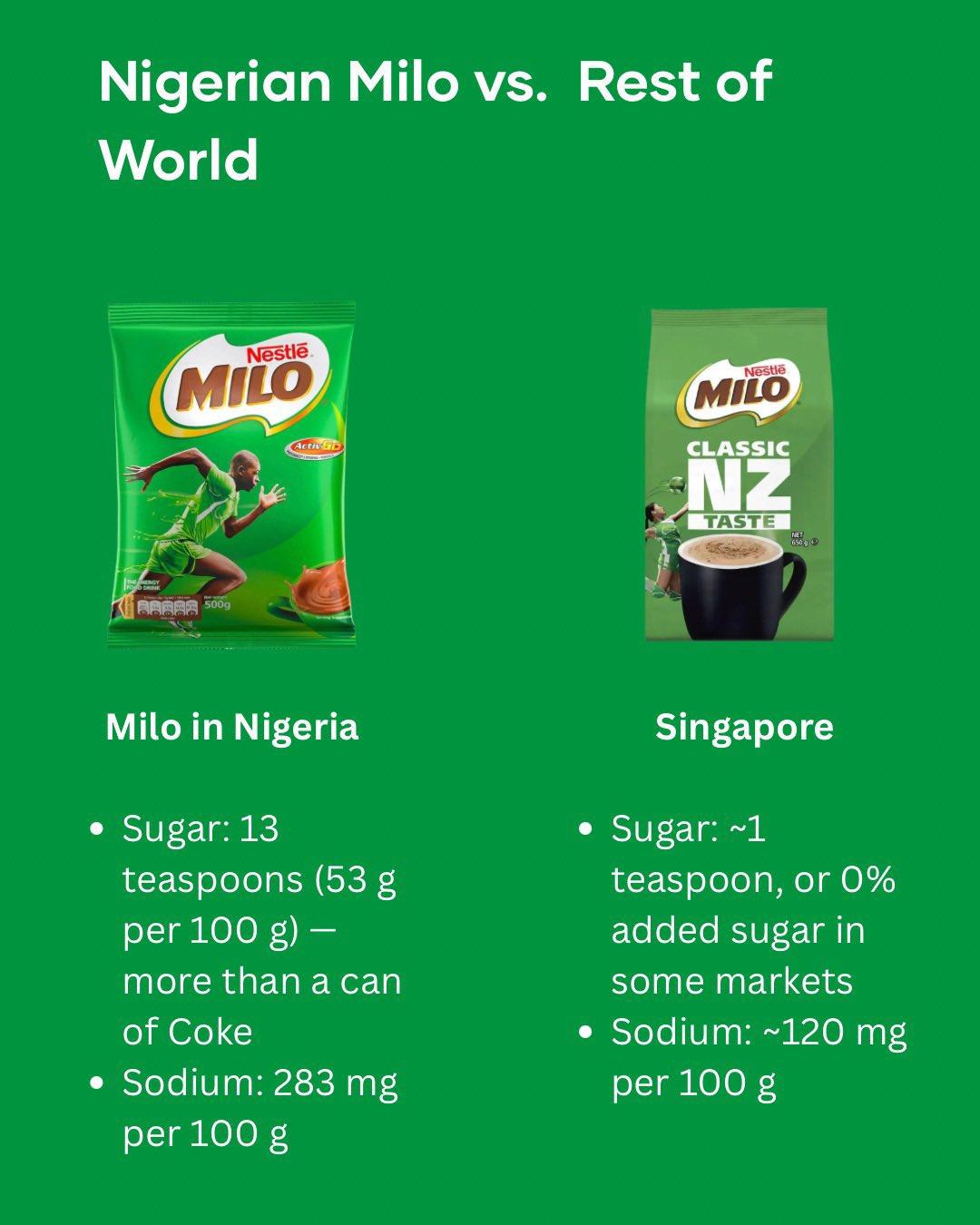
Picture this: every morning, you’re unknowingly pouring the equivalent of 53 teaspoons of sugar into your child’s milk over just 2-3 weeks with one tin. That’s not energy—that’s a sugar avalanche setting the stage for serious health concerns. And here’s the kicker: your kids are gulping this down with a smile, oblivious to the impact.The Unfair Double Standard
Now, here’s where it gets really frustrating. Nestlé, the global giant behind Milo, sells healthier, low-sugar versions in countries like Singapore, where some variants boast almost no added sugar. Imagine that—kids abroad sipping a version designed with their long-term health in mind, while Nigerian children are handed a sweeter, more harmful formula.Why the disparity? Is it profit over health, or a misjudgment of what Nigerian families need? This double standard feels like a betrayal, especially when our kids deserve the same care.
The Hidden Dangers
This isn’t just about cavities or those hyperactive afternoons where your little ones bounce off the walls. The daily sugar overload from Milo is programming their bodies for a future of serious health risks:Obesity: Excess sugar turns into fat, especially in growing bodies.
Diabetes: Constant high sugar intake strains the pancreas, risking type 2 diabetes.
Hypertension: Sugar spikes can raise blood pressure over time.
Cancer: Emerging studies link chronic sugar consumption to increased cancer risks later in life.
These aren’t distant possibilities—they’re real threats lurking in that morning mug. As parents, we want to protect our children, but this hidden sugar trap makes it harder than ever.
What Can You Do?
So, what’s the move? First, check the label on that Milo tin—knowledge is power. Consider switching to alternatives like plain oats with natural sweeteners or exploring imported low-sugar Milo versions if available. Advocate for Nestlé to bring healthier options to Nigeria—your voice matters! And start a conversation with other parents; let’s demand better for our kids.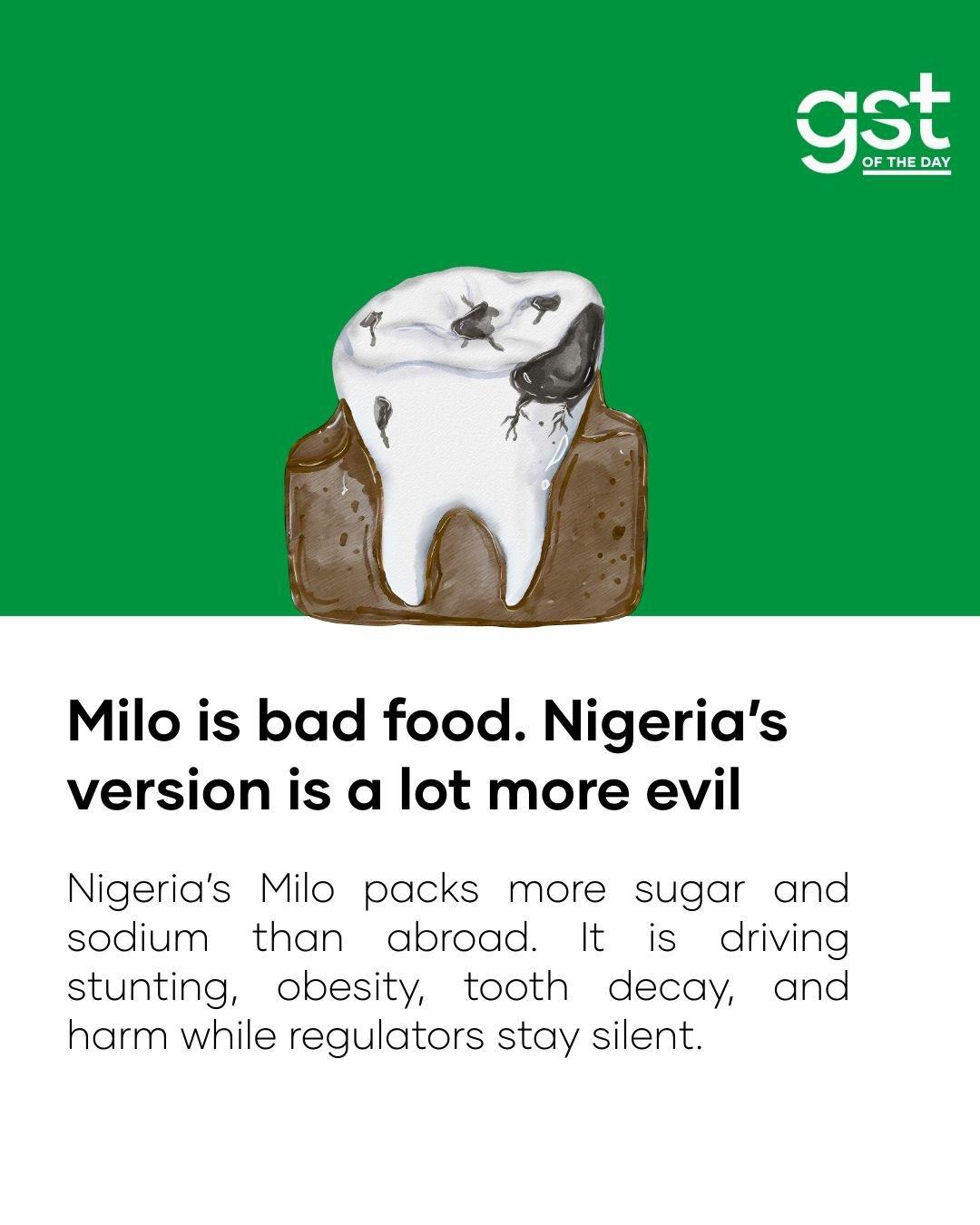
This isn’t about shaming Milo lovers—it’s about making informed choices. That 400g tin might be a household staple, but now you know the truth. Let’s prioritize our children’s health over marketing promises. Share this with every parent you know—together, we can push for change!
-
-
AuthorPosts
- You must be logged in to reply to this topic.