
Student Village Academy › Forums › GENERAL DISCUSSIONS › Internet outages ripple across Asia, Mideast after Red Sea cable damage
- This topic has 0 replies, 1 voice, and was last updated 7 months ago by
 Shola joshua.
-
AuthorPosts
-
-
September 8, 2025 at 10:44 AM #83156
 Shola joshuaModerator
Internet outages ripple across Asia, Mideast after Red Sea cable damage
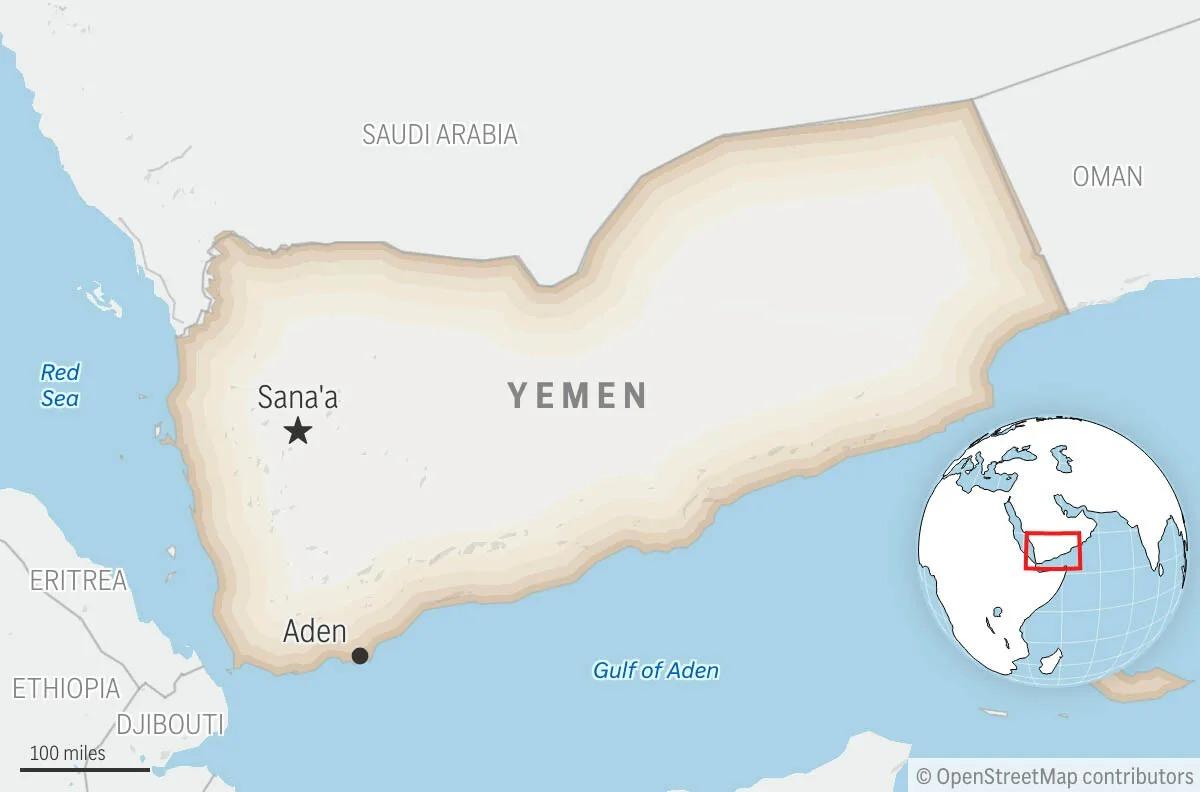
DUBAI, United Arab Emirates (AP) — Breaks in undersea cables in the Red Sea disrupted online access across portions of Asia and the Middle East, analysts reported Sunday, though the cause of the incident remained unclear.
Fears have grown that the lines could be deliberately hit as part of a Red Sea campaign by Yemen’s Houthi rebels, who frame their actions as pressure on Israel to halt the conflict in Gaza against Hamas. The Houthis, however, have previously rejected claims that they attacked the cables.
Submarine internet cables form a crucial backbone of global connectivity, alongside satellites and ground-based infrastructure. Most providers route traffic across multiple connections, so when one is down, data can be shifted elsewhere, though users typically face slower speeds.
Several cables severed off Saudi shores
Microsoft, on a network status page, warned that the Middle East “may face added latency due to fiber disruptions in the Red Sea.” The Washington state–based tech giant offered few details, though it said data bypassing the region “remains unaffected.”
NetBlocks, an organization that tracks web access, said “a string of subsea cable failures in the Red Sea has hindered connectivity in multiple nations,” naming India and Pakistan among them. The group pointed to issues with the SMW4 and IMEWE systems near Jeddah, Saudi Arabia.
The South East Asia–Middle East–Western Europe 4 line is operated by Tata Communications of India, while the India-Middle East-Western Europe cable is run by a consortium overseen by Alcatel Submarine Networks. Neither company replied to inquiries.
Pakistan Telecommunications Co. Ltd., the country’s leading carrier, confirmed the damage in a Saturday statement.
Saudi authorities offered no acknowledgment of the outage and did not answer questions.
In Kuwait, regulators said the FALCON GCX cable running across the Red Sea was cut, causing problems nationwide. GCX itself did not respond.
Meanwhile, in the United Arab Emirates — where Dubai and Abu Dhabi are major internet hubs — customers of state-owned Du and Etisalat reported slower connections. The Emirati government gave no comment.
Cables vulnerable to both accidents and sabotage
Undersea lines can be damaged when ship anchors drag across the seabed, though they can also be deliberately targeted. Fixes often take weeks, requiring specialized ships to locate and repair the break.
The latest disruptions come as Houthi forces continue attacks linked to the Gaza war. Israel has answered with airstrikes, including one that killed senior rebel commanders.
Back in early 2024, Yemen’s internationally recognized government in exile accused the Houthis of plotting to hit Red Sea cables. Several were indeed damaged, possibly by a vessel the Houthis struck that later dragged its anchor, though the rebels denied involvement. On Sunday, the Houthis’ al-Masirah TV channel acknowledged the cuts, citing NetBlocks.
Moammar al-Eryani, information minister for the Yemeni government based in the south, said the breaks “cannot be separated from the direct assaults repeatedly carried out by Houthi fighters.”
“What we see today in the Red Sea should alarm the global community, which must act decisively to halt these rising dangers and safeguard the digital lifelines on which modern society depends,” al-Eryani said.
Between November 2023 and December 2024, Houthis struck more than 100 vessels with drones and missiles amid the Gaza conflict. Their campaign sank four ships and killed at least eight sailors.
The Iranian-backed faction halted strikes during a brief truce, but later became the focus of weeks of U.S.-led air raids ordered by President Donald Trump before he announced another ceasefire had been reached. Houthis went on to sink two more vessels in July, killing four and capturing others believed to remain in custody.
The renewed rebel campaign unfolds as another potential Gaza ceasefire hangs in the balance. At the same time, U.S.-Iran negotiations over Tehran’s crippled nuclear program face uncertainty after Israel waged a 12-day assault on Iran, with American forces bombing three nuclear facilities.
-
-
AuthorPosts
- You must be logged in to reply to this topic.