
Student Village Academy › Forums › GENERAL DISCUSSIONS › Village Stories › I Left Nigeria to Be Free, But I’ve Never Felt More Alone
Tagged: village stories
- This topic has 0 replies, 1 voice, and was last updated 6 months, 1 week ago by
 justseyi.
-
AuthorPosts
-
-
September 20, 2025 at 3:16 PM #83846
 justseyiKeymaster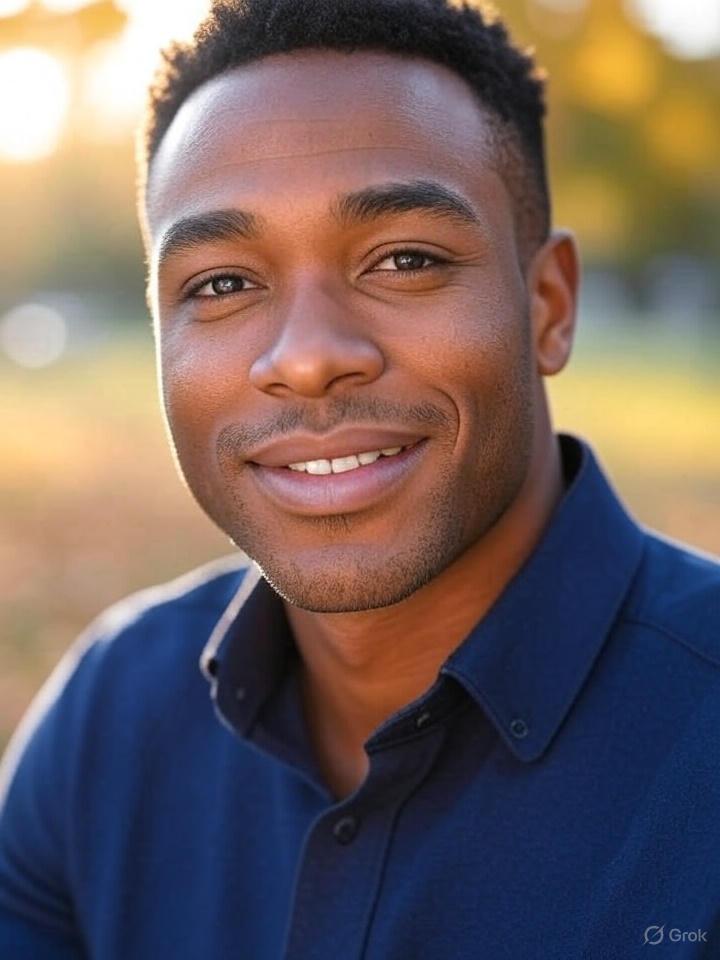
Gabriel* (31) always imagined that leaving Nigeria would mean freedom. As a queer man, he longed for a life where he could breathe easily, love openly, and exist without fear. In 2021, graduate school gave him the perfect escape route. He boarded a plane, leaving behind Lagos and the familiar chaos of home, chasing a dream he thought the United States promised.
What he found instead was a reality far different from the movies he grew up watching.
Running Away to Freedom
Growing up in a conservative Nigerian household, Gabriel quickly learned to hide parts of himself. His parents didn’t know about his sexuality, though their disdain for queer people was never hidden. By the time he gained admission into university, he found pockets of freedom among supportive friends, many of them queer themselves.Still, the shadow of home never let him breathe fully. “I wanted to go somewhere I’d be allowed to be myself, to live as a queer man without fear,” he said. Graduate school abroad was his golden ticket.
Canada was on the table, but America came first — and Gabriel didn’t hesitate. He wanted to be anywhere but Nigeria.
America Was Not the Dream
Stepping into the US, he expected the technicolor freedom of Hollywood films: rainbow flags, parades, lovers holding hands in public, queer joy on every street corner. Instead, the first thing he noticed was the cold stares.“I live in a Red State,” he explained. “Being effeminate makes it hard. People look at me like I don’t belong. The government here is actively trying to erase queer visibility — repainting rainbow crosswalks, taking down flags. The America we saw on TV? It’s propaganda. It’s really not like that.”
For Gabriel, the discrimination comes in layers: homophobia, racism, and xenophobia. “It’s too much sometimes,” he admitted.
The Weight of Loneliness
Perhaps the hardest blow has been loneliness. Nigeria, with all its flaws, was a communal place. Neighbours shared meals, friends dropped by unannounced, and even strangers could become allies in an instant. In the US, Gabriel discovered a society where individualism reigns.“As an immigrant, you feel like an alien. Americans mind their business too much. I barely know my neighbours,” he said.
He tried joining African student associations, but homophobia pushed him away. Even among fellow Nigerians in the diaspora, his femininity drew judgment. “Sometimes I catch people staring at me in disgust. It makes me self-conscious. It’s easier to stay by myself.”
Though he has a small circle of supportive friends, the isolation is sharp. “Loneliness creeps in,” he confessed. “Sometimes, it feels unbearable.”
Love in a Complicated Landscape
Dating, which he thought would be easier abroad, has proven equally challenging. In Nigeria, secrecy was the problem; in the US, it’s something else entirely.“The queer community here can be toxic,” Gabriel admitted. “People fetishise you because you’re foreign. Others mock your accent. And within the community, effeminate men are treated with disdain.”
Even dating apps offer little solace. Most people want quick hookups, while Gabriel longs for commitment. “I’m a lover boy. I want something real. But here, it feels like everything is about looks, money, cars, or a six-pack. I’m not moved by material things, so it’s been hard.”
Between the loneliness and the culture shocks, America often feels alien. The lack of public transport. Rent paid monthly instead of yearly. Neighbours who barely speak. It all reminds him that this is not home.
The little things trigger waves of longing — like yam. “I haven’t eaten yam in years,” Gabriel said with a sad smile. “Back home, it’s everywhere. Here, it’s too expensive at African stores.”
Despite everything, he doesn’t regret leaving. His independence is priceless. “I can finally wear whatever I want, go clubbing, love whoever I want,” he reflected. On a happiness scale, he rated himself a six out of ten.
No Return, Only Hope
Would he ever go back to Nigeria? His answer was firm: no. “I love my country, my heritage, and my people. But I can’t return. Not to that life.”Instead, he dreams of moving to a place more inclusive — somewhere with better healthcare, better transport, and more freedom for a queer Black man. For now, though, survival is the goal.
“I’m hopeful,” Gabriel said. “Better days are ahead. I want to meet people who’ll make me feel less lonely. And maybe, just maybe, I’ll find the love of my life too.”
-
-
AuthorPosts
- You must be logged in to reply to this topic.