
Student Village Academy › Forums › Money / Savings › How YouTubers Are Turning Their Channels Into Multimillion-Dollar Empires
- This topic has 0 replies, 1 voice, and was last updated 6 months, 1 week ago by
 justseyi.
-
AuthorPosts
-
-
October 2, 2025 at 9:53 PM #84250
 justseyiKeymaster
YouTube remains the largest platform for creators to build careers, contributing over $55 billion to the U.S. GDP and supporting nearly half a million full-time jobs as of June. But many of the site’s biggest stars are no longer relying solely on ad revenue and brand deals to make a living. With unpredictable ad policies and income streams that can disappear overnight, creators are increasingly building businesses that can outlast YouTube’s algorithm and provide steadier revenue.
Today, many YouTubers are functioning less like individual creators and more like vertically integrated media companies. Their ventures span consumer brands, retail products, and even physical storefronts, and in many cases these off-platform businesses are growing faster than their channels.
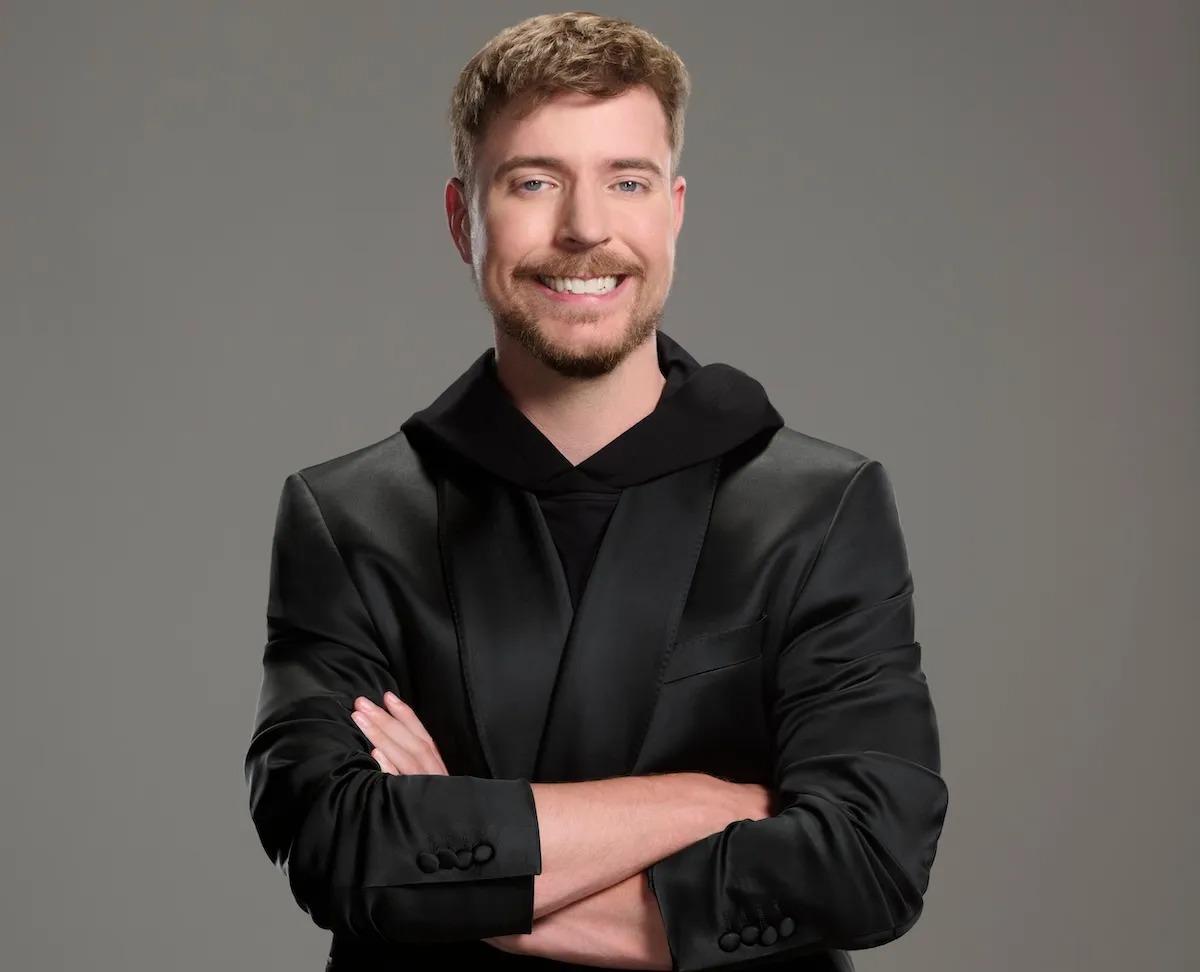
Jimmy Donaldson, better known as MrBeast, is YouTube’s most visible example of this shift. With over 442 million subscribers, he began with a simple merchandise store in 2018 before launching Feastables, his snack brand. Feastables’ first product, the MrBeast Bar, sold over a million units in 72 hours and generated $10 million right out of the gate.
By 2024, the company had raked in $250 million in revenue and over $20 million in profit—outperforming his YouTube empire and Prime Video competition series, while his media operations reportedly lost $80 million. Beyond Feastables, MrBeast has launched Lunchly with Logan Paul and KSI, the toy line MrBeast Lab, MrBeast Burger, and Viewstats, an analytics platform. He even joined an investor group that attempted to buy TikTok’s U.S. operations, and now he’s setting his sights on launching his own mobile network by partnering with a major telecom operator.
Emma Chamberlain, who went from teen vlogger to lifestyle mogul with 12 million subscribers, has transformed her success into Chamberlain Coffee. Since 2019, her brand has grown from selling coffee beans and matcha online to hitting the shelves at Target and Walmart, then expanding into ready-to-drink lattes. In 2023, Chamberlain Coffee hit $20 million in revenue, and after opening its first café this year, it’s projected to surpass $33 million by 2025, with profitability expected by 2026.
Logan Paul, once infamous for controversy, has also carved out a space in the consumer goods market. His energy drink Prime, co-founded with KSI, became a global sensation in 2022, generating over $1.2 billion in sales by 2023. However, the brand has since seen a sharp decline, with revenue in the U.K. falling by 70% in a year amid lawsuits and regulatory scrutiny. Logan’s earlier ventures include Maverick Apparel, which earned up to $40 million in 2020, while his brother Jake Paul has also expanded into startups and investments, co-founding the Anti Fund and launching ventures in grooming products and sports betting.
Ryan Kaji, the 13-year-old behind Ryan’s World, turned toy unboxings into a massive empire. At its peak in 2020, his brand generated over $250 million from toy and apparel sales, with expansion into a TV show and educational apps. Similarly, Rosanna Pansino, a baker with nearly 15 million subscribers, extended her Nerdy Nummies brand with bestselling cookbooks and branded baking tools. Other creators like Andrew Rea, aka Babish, and Rhett & Link have followed this model with cookware, cereals, and food products.
In beauty, Michelle Phan was one of the earliest pioneers, co-founding Ipsy and later launching EM Cosmetics. Huda Kattan built her Huda Beauty empire into a globally recognized brand, buying back stakes from investors to maintain her vision while continuing to generate hundreds of millions in revenue. Influencers like Jeffree Star and Tati Westbrook also capitalized on their followings by creating full-scale beauty businesses.
The trend is clear: YouTubers are no longer just chasing views and ads. They’re creating lasting consumer brands, diversifying income streams, and positioning themselves as entrepreneurs in industries that can survive long after their viral videos fade. For many, the business built off-platform has already become bigger—and more profitable—than the one that started it all.
-
-
AuthorPosts
- You must be logged in to reply to this topic.