
Student Village Academy › Forums › TECH AND GADGETS › Phones › How the iPhone 4S Took Over the Market
- This topic has 0 replies, 1 voice, and was last updated 6 months, 3 weeks ago by
 Student Village.
-
AuthorPosts
-
-
September 3, 2025 at 2:32 PM #83025
 Student VillageKeymaster
“Hello, I’m Siri—your virtual assistant!” With those words, the iPhone 4S, launched in October 2011, didn’t just introduce a new device—it unleashed a game-changer that reshaped the mobile world. This wasn’t just another Apple upgrade; it was a bold step toward dominating personal and professional tech, thanks to Siri, enhanced connectivity, and a powerhouse processor.
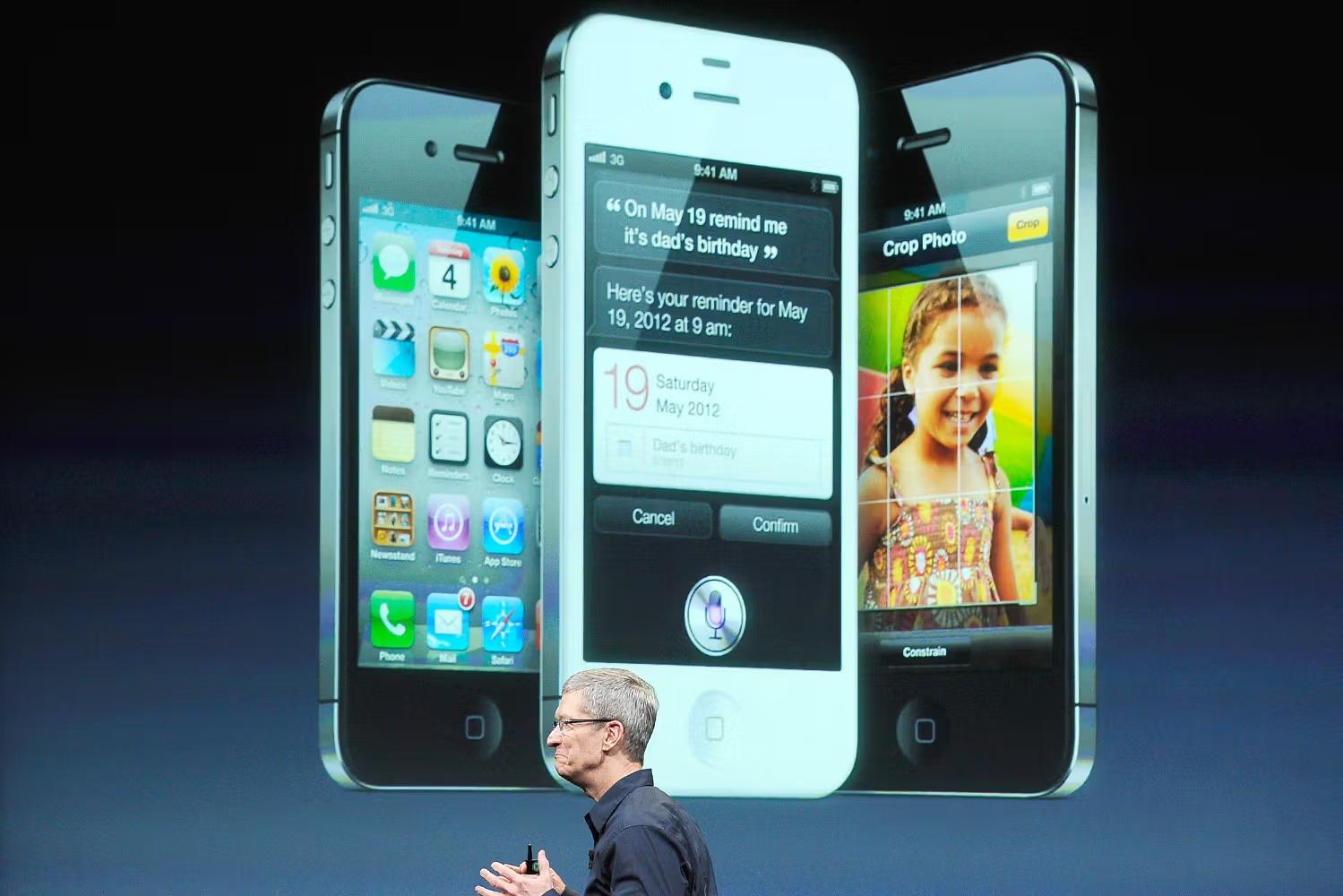
As someone who’s tracked tech evolution, I’ve dug into the archives to unpack how this device took the market by storm—and why its legacy still echoes today.
The Siri Sensation
Apple hailed the iPhone 4S as “the most amazing iPhone yet” in its launch press release, and Siri was the star. Described as an “intelligent assistant” that understood context, Siri could answer questions like, “Do I need an umbrella?” by tapping into weather data with a natural, conversational flair.It could set reminders, send texts, search the web, crunch numbers, and more—features that felt futuristic in 2011. Philip Schiller, Apple’s then-SVP of Worldwide Product Marketing, touted the dual-core A5 chip (borrowed from the iPad 2) for boosting graphics, but Siri stole the show.
Amélie Koran, a self-proclaimed Apple enthusiast and former chief enterprise security architect at the Department of Interior, called the multimedia leap a “sea change.” Having grown up with iPods, she was blown away by the iPhone 4S’s usability. “Speech-to-text and a virtual assistant?
That was mind-blowing,” she told IT Brew. Yet, as the DOI’s security lead, she foresaw headaches. “It was a management nightmare,” she admitted, pointing to Siri’s iCloud integration and unclear data processing, which forced its disablement for government use.
The Hype and the Hiccups
Not everyone was sold. A month after launch, TechCrunch’s Jordan Crook penned a critique, lamenting Siri’s imperfections. “The hype set expectations too high,” he wrote, blaming Apple’s dazzling demo for the letdown. Security worries also loomed large.Koran noted iCloud’s “on-demand” updates forced organizations to rethink risk models, questioning what data Siri sent to Apple. Despite this, Wired’s review crowned Siri the reason to buy the 4S, overshadowing its “minor” camera and antenna upgrades.
Power Under the Hood
Looks-wise, the iPhone 4S mirrored its predecessor, but inside, it was a beast. Schiller raved about the A5 chip’s dual-core prowess, doubling CPU speed and boosting graphics sevenfold. “Games are where it shines,” he said. Eurogamer’s Donald Mustard, then Epic’s creative director, marveled at the 1080p video, 8MP camera, 64GB storage, and 512MB memory packed into a pocket-sized powerhouse. AppleInsider dubbed it “the fastest phone on the market,” praising its battery efficiency alongside stunning graphics.Security Meets Innovation
The 4S’s impact reached federal desks. Koran recalled a White House meeting where officials, inspired by tablet-toting peers, pushed for tech adoption at DOI. As the security point person, she tackled challenges like multi-factor authentication—unheard of with soft certificates back then—and remote-wipe features via carriers. “It was a wild ride from 2011 to 2014,” she said, blending innovation with growing pains. Today’s iOS updates pale compared to that era’s “blockbuster” shifts.A Lasting Legacy
The iPhone 4S didn’t just sell units; it redefined expectations. Siri evolved into a household name, while the A5 chip paved the way for mobile gaming and productivity. For IT pros and tech enthusiasts, it was a wake-up call to balance innovation with security. As I reflect on this pivot point, it’s clear: the 4S wasn’t just a phone—it was Apple’s blueprint for dominance.
-
-
AuthorPosts
- You must be logged in to reply to this topic.