
Student Village Academy › Forums › SCHOOL LIFE › STUDY ABROAD › How International Students Can Choose a College in Trump’s America
Tagged: Canada, study abroad, UK, usa
- This topic has 0 replies, 1 voice, and was last updated 7 months, 1 week ago by
 Student Village.
-
AuthorPosts
-
-
September 3, 2025 at 4:02 PM #83064
 Student VillageKeymaster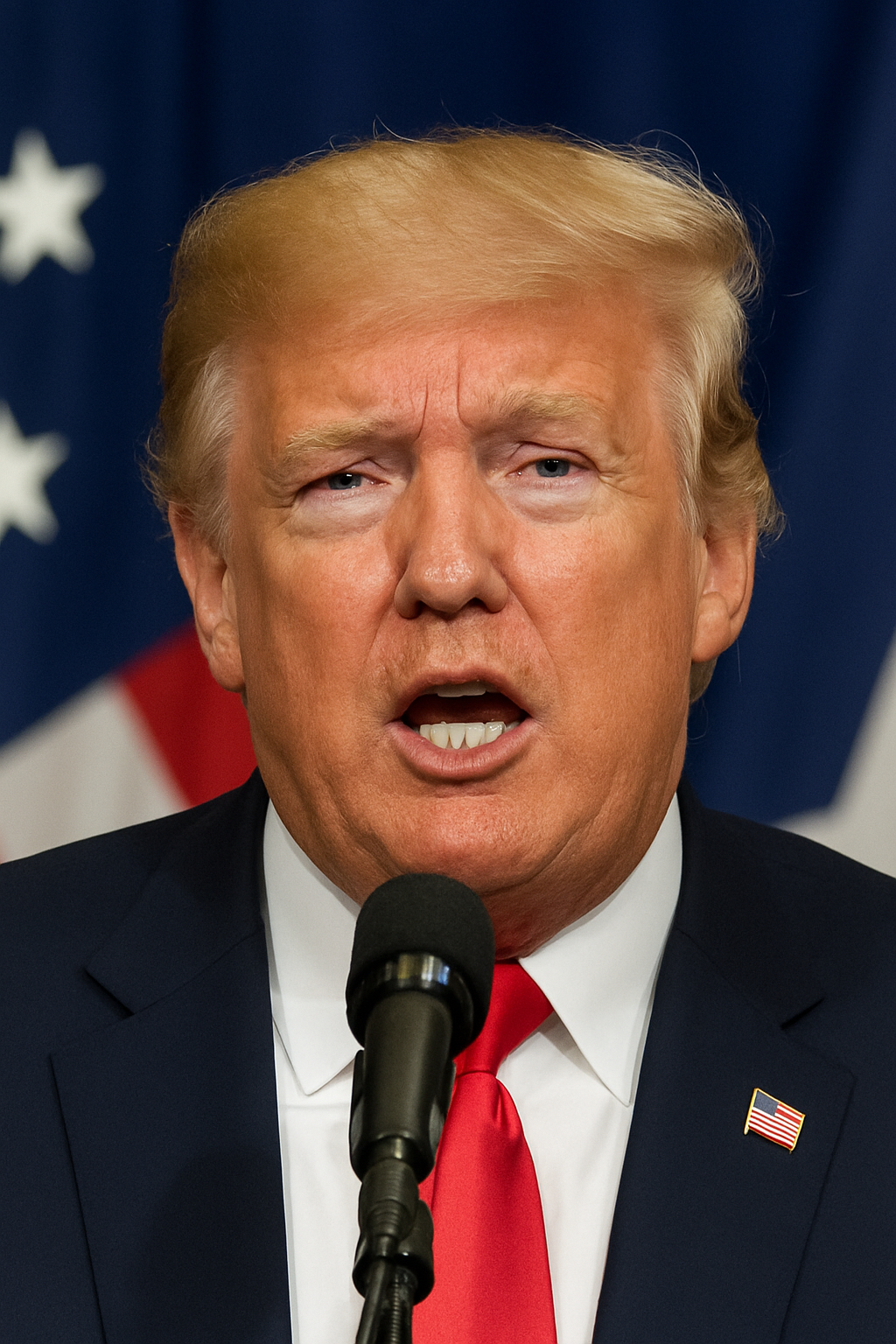
Choosing a college in the U.S. has always been about balancing academic fit, cost, and career outcomes. But under Donald Trump’s return to the White House, international students (and their families) face new realities. Beyond academics and finances, you now need to weigh the impact of shifting U.S. policies:
The federal pullback on research funding.
Ongoing restrictions on foreign students.
Political battles over so-called “woke” colleges.For international students, these issues go beyond headlines—they can shape your study options, campus life, and long-term opportunities in the U.S.
Politics in the College Decision
Politics have always influenced higher education, but now they factor directly into where students feel safe and supported.Veteran Atlanta-based counselor Mark Stucker of School Match 4U hears progressive families saying, “No Florida. No Texas,” due to political interference in universities there. Meanwhile, conservative families from red states worry about “out of control” protests on blue state campuses.
For international students, this matters, too. You want a campus where you can focus on your studies, not be caught in political crossfire. But Stucker also puts it into perspective: students still care about warm weather, campus fun, and football, while parents look at whether graduates land good-paying jobs.
Focus on Outcomes, Not Just Names
Since Student Village began ranking colleges in 2008, we’ve used one lens: outcomes. That means academic, financial, and career success—like alumni salaries, PhD completions, and standout achievements in business, science, government, and the arts.Our updated methodology uses 14 metrics from government and private data sources, and we give extra credit to schools that help lower-income students achieve the American dream.
Why outcomes over prestige? Because what matters most to international students is return on investment (ROI)—how fast you can recover tuition costs through career earnings and how well a school’s reputation holds with employers.
Example:
- MIT (#1) rose to the top not just because of reputation, but because so many graduates go on to earn advanced degrees and high salaries.
- Georgia Tech (#32 overall, #7 public) has built a reputation on job placement, attracting employers and selective applicants alike.
For students without wealthy parents footing the bill, ROI is critical. That’s why Forbes publishes a separate ROI ranking. Schools in the City University of New York (CUNY) system dominate this list, with rock-bottom in-state tuition and commuter culture keeping costs low.
Don’t Fear High Sticker Prices
Prestigious schools often scare international students with their posted costs, but the net price is usually much lower.Take Princeton University (#3): its official cost of attendance is nearly $91,000, but its massive endowment allows it to cover full costs for most families earning under $150,000—and waive tuition for many earning up to $250,000. Even 25% of its 2029 freshman class comes from Pell Grant–eligible low-income families.
More importantly, many less-selective private schools also offer huge merit scholarships, often independent of need. In 2024–25, average tuition at private colleges was listed at $43,350, but the average net tuition after aid was just $16,510—a 62% discount. Some schools, like Washington & Jefferson (#402), cut more than 80% off the cost of attendance.
For international students, this means: don’t rule out expensive schools before you see the financial aid numbers.
Watch the Changing Landscape
Beyond cost and outcomes, international students need to understand the new risks shaping U.S. colleges:Cuts to federal research funding hurt opportunities for undergrad and grad students alike.
Restrictions on international students affect visas, employment, and even campus culture.
The One Big Beautiful Bill Act (OBBBA) ended easy graduate loans, raised taxes on wealthy universities, and forced schools like Columbia into government deals—giving the feds more oversight of international students and slashing diversity programs.For international applicants, this means you must ask:
Will my program even exist in four years?
Will the school continue to welcome international students?Some majors, particularly in the liberal arts and sciences, are being eliminated as universities consolidate. For instance, Utah public colleges recently cut 271 programs to satisfy new state mandates.
The Case for Smaller Colleges
While large research universities struggle with funding and politics, small colleges are emerging as winners. Why?- Undergrads are taught directly by professors, not graduate assistants.
- Research opportunities are more accessible.
- Endowment tax changes favor small colleges with fewer than 3,000 full-time students.
- Schools like Grinnell, Amherst, Swarthmore, Williams, and Pomona are standing strong in Forbes’ rankings and may now be better bets for international students seeking close mentorship and less political drama.
Fit Still Matters
At the end of the day, beyond rankings and ROI, your personal fit matters most.- Want to study music? Consider Lawrence University (#312).
- Interested in public policy? American University (#136) offers D.C. connections.
- Looking for diversity? Despite attacks on DEI, you can still assess a school’s curriculum for courses in ethnic studies, gender studies, disability justice, and more.
- For some, prestige still carries weight. As Joel Butterly of InGenius Prep notes: “Prestige has inertia.” A
- Harvard admission is as exciting now as it was before. But if you value community and belonging, you might instead be drawn to historically Black colleges like Howard University (#383), which saw applications surge after affirmative action was overturned.
And if you want a less stressful admissions process, consider states with automatic admission policies. More than a dozen now offer guaranteed admission for students who meet certain GPA or class rank thresholds—Illinois and Tennessee most recently joined.
Final Takeaway for International Students
Trump’s America complicates the U.S. college search. But the fundamentals remain:Focus on outcomes—ROI, job placement, alumni networks.
- Look beyond sticker price—aid can slash costs dramatically.
- Understand the political climate—choose a state and campus where you’ll feel safe and supported.
- Consider small colleges—they may offer better access to professors and less turbulence.
- Choose fit—the best college is where you can thrive academically, socially, and personally.
- For international students, the decision isn’t just about four years in the U.S.—it’s about the lifetime value of the education, the visa pathways it opens, and the career doors it can unlock globally.
-
-
AuthorPosts
- You must be logged in to reply to this topic.