
Student Village Academy › Forums › TECH AND GADGETS › AI – Artificial Intelligence › ChatGPT Launches Its Own App, Like Tiktok Style
- This topic has 1 reply, 1 voice, and was last updated 6 months ago by
 justseyi.
-
AuthorPosts
-
-
October 2, 2025 at 1:35 PM #84207
 justseyiKeymaster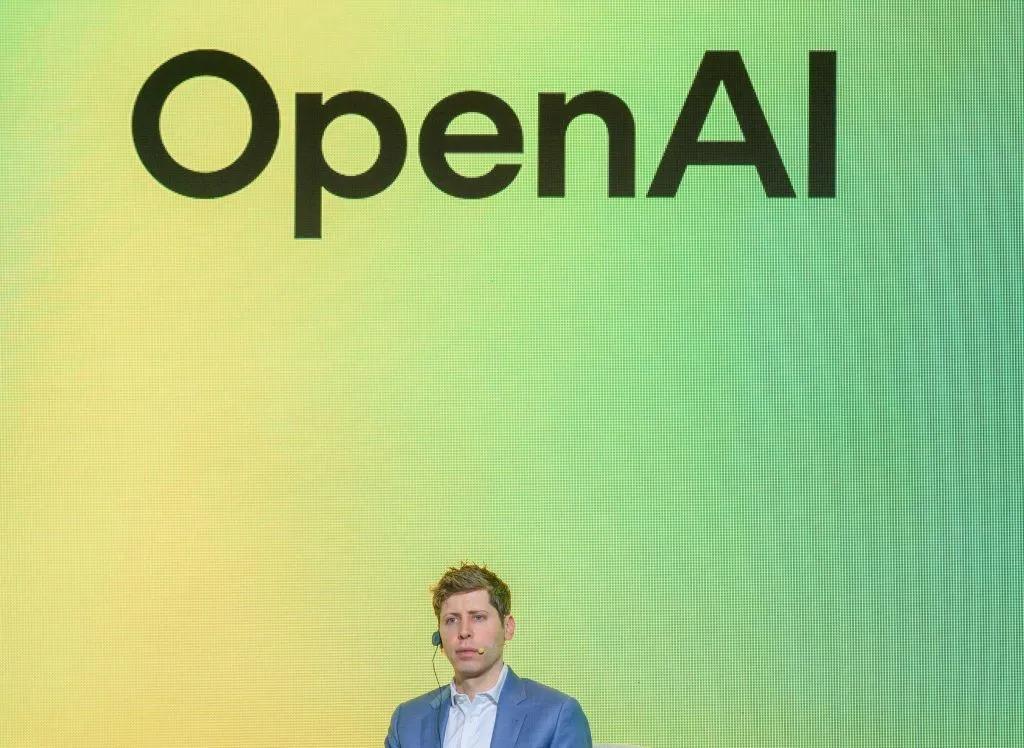
OpenAI is stepping directly into the social media arena with the launch of its new Sora app, a TikTok-style platform designed to showcase the company’s latest AI breakthrough: the Sora 2 model. The announcement came Tuesday, introducing both the upgraded video-and-audio generator and its companion app, which lets users create, upload, and share AI-generated videos on an algorithmic feed.
A More Realistic AI Video Generator
Sora 2 is the successor to last year’s Sora model and focuses on producing more realistic video outputs. One of the biggest improvements is how the model handles physics. In earlier AI-generated clips, objects often warped or moved unrealistically to satisfy a prompt—for instance, a basketball teleporting to the hoop after a missed shot. In Sora 2, such interactions follow natural laws: a missed basketball bounces off the backboard rather than magically scoring.To demonstrate, OpenAI released clips of beach volleyball rallies, skateboard tricks, gymnastics routines, and diving board cannonballs—each showing smoother motion and physics-aware realism compared to previous generations.
The Sora App and “Cameos”
Alongside the model, OpenAI is introducing the Sora app, which doubles as both a creative tool and social platform. Its standout feature, called cameos, allows users to insert themselves into AI-generated videos. To do so, users must first upload a one-time video-and-audio recording to verify their identity and capture their likeness.Users can then share their cameos with friends, granting permission for others to use their likeness in collaborative videos. This could enable multi-person AI-generated clips, where different users appear in the same scenario—whether that’s a music video, a movie-style scene, or even a surreal AI skit.
“We think a social app built around this ‘cameos’ feature is the best way to experience the magic of Sora 2,” OpenAI wrote in its announcement.
Privacy, Safety, and Parental Controls
Like other short-form video platforms, Sora’s feed is powered by algorithmic recommendations. OpenAI says it will use a combination of user activity, location (via IP address), past post engagement, and even ChatGPT conversation history to shape recommendations—though users can disable the latter.The app also integrates parental controls through ChatGPT, allowing parents to limit infinite scroll, disable algorithmic personalization, and manage direct messaging. Still, the effectiveness of these tools will depend heavily on parents’ technical ability to configure and monitor them.
Given the risks of AI misuse, safety remains a major challenge. While users can revoke cameo permissions at any time, there’s still potential for abuse. Trusted friends could generate deceptive or harmful videos with another person’s likeness—a problem that mirrors broader concerns over non-consensual AI content.
Availability and Monetization
The Sora app is launching first on iOS in the U.S. and Canada, with plans for broader expansion. Access to the social platform is invite-only for now, though ChatGPT Pro users will be able to try the Sora 2 Pro model without needing an invitation.The app will be free at launch, with monetization limited to surcharges for generating additional videos during peak demand. Unlike TikTok or Instagram, ads are not part of the rollout—yet.
The Bigger Picture
OpenAI’s entry into the social video space comes as other tech giants are experimenting with AI-driven feeds. Meta, for example, just introduced Vibes, a video stream inside its Meta AI app. By combining cutting-edge generative models with a TikTok-style social platform, OpenAI is positioning Sora as both a showcase for its AI capabilities and a potential rival in the fast-moving short-form video market.Whether Sora becomes a viral hit or faces the same growing pains as other AI-powered apps remains to be seen. But with Sora 2’s advances and the social app’s bold cameo feature, OpenAI is betting that the future of entertainment lies in personalized, AI-generated experiences.
-
October 2, 2025 at 1:40 PM #84208justseyiKeymaster
Update: The App Is Filled With Deep-fake videos
In OpenAI’s newly launched TikTok-style social app Sora, the experience is already unsettling. One video depicts a factory farm of pink pigs grunting in their pens, each with a smartphone screen in front of them playing an endless stream of vertical clips. Suddenly, a hyper-realistic Sam Altman stares into the camera and asks, “Are my piggies enjoying their slop?” It has been less than 24 hours since Sora launched in invite-only early access, and already the feed is filled with bizarre, surreal, and often disturbing deepfakes of OpenAI’s CEO.
Scroll further and Altman pops up again, this time standing in a field of Pokémon, cracking a joke about Nintendo’s lawyers. In another clip, he’s serving Pikachu and Eric Cartman drinks at Starbucks, then screaming at a McDonald’s customer. In yet another, he’s caught stealing Nvidia GPUs from a Target, begging the police not to take them away. Much of Sora’s feed is populated with similarly fantastical scenes, often featuring Altman himself, as users experiment with the app’s powerful video generator.
Part of the humor for users lies in the blatant disregard for copyright, as characters from Nintendo, South Park, and other IPs flood the app. OpenAI has said it will require copyright holders to opt out of having their content used, rather than forcing them to opt in—a reversal of the standard approach that raises serious legal questions. Adding to the irony, one Altman deepfake even parrots a guardrail warning, saying “This content may violate our guardrails concerning third-party likeness,” before breaking into maniacal laughter. Alongside these are videos of Pikachu doing ASMR, Naruto ordering Krabby Patties, and Mario smoking weed.
What makes this all more concerning is how good Sora 2, the model powering the app, actually is. Compared to the clunky outputs of rival platforms like Meta AI’s new feed “Vibes,” Sora 2’s ability to portray realistic physics and fluid motion makes its clips far more convincing—and therefore far more dangerous when weaponized for disinformation, harassment, or political manipulation.
Sora’s core functionality centers around its “cameo” system. When users join, they’re prompted to create a cameo by recording themselves turning their head and reading numbers aloud. This biometric data then allows them to insert their likeness into any AI-generated scene. Permissions can be set so only the user, approved friends, mutuals, or everyone can generate content using their cameo. Altman himself has made his cameo available to everyone, effectively inviting the swarm of Altman-themed videos that now dominate the platform.
Curious about how it worked, one journalist tried uploading their own cameo despite reservations about handing biometric data to a social app. After a few failed attempts—caused, amusingly, by the system flagging their tank top as “inappropriate”—they succeeded by switching to a T-shirt. Their first attempt at generating a video of themselves confessing love for the New York Mets was rejected, but the app accepted a prompt about baseball. The result: a convincing deepfake of them talking about growing up a Phillies fan, an oddly accurate detail inferred from their Philadelphia IP address and ChatGPT history.
The journalist shared the clip on TikTok, where a commenter summed up the unease with, “Every day I wake up to new horrors beyond my comprehension.” That sentiment reflects broader concerns about Sora’s safety and ethics. OpenAI is already under scrutiny for ChatGPT’s role in harmful incidents, including a lawsuit from a family alleging it gave suicide instructions to their son. Now it is offering a mainstream platform where anyone can easily create hyper-realistic deepfakes of themselves and others. The company points to parental controls, mood check-ins, and cameo permission settings as proof of its commitment to safety, but these guardrails are unlikely to stop determined misuse.
Already, users are probing Sora’s limits. The app blocks generating videos of living people without consent, but historical figures appear fair game. Clips of Abraham Lincoln riding a Waymo or John F. Kennedy joking about national debt may seem harmless, but they foreshadow a future where political deepfakes could erode trust even further. The danger is not hypothetical—Donald Trump himself has shared manipulated videos, and when tools like Sora reach mass adoption, such content will proliferate at an unprecedented scale.
OpenAI’s Sora app may be free for now, but the true cost could be measured in the spread of misinformation, the blurring of reality, and the ethical minefield of handing deepfake tools to the public. Less than a day into its launch, the platform is already overflowing with Altman-themed nightmares, and the implications for what happens next are chilling.
-
-
AuthorPosts
- You must be logged in to reply to this topic.