
Student Village Academy › Forums › CAREERS AND JOBS › BSc Marine Biology vs. Biological Sciences: Which Degree Should You Pick?
Tagged: Careers
- This topic has 0 replies, 1 voice, and was last updated 5 months ago by
 Student Village.
-
AuthorPosts
-
-
October 13, 2025 at 12:28 PM #84547
 Student VillageKeymaster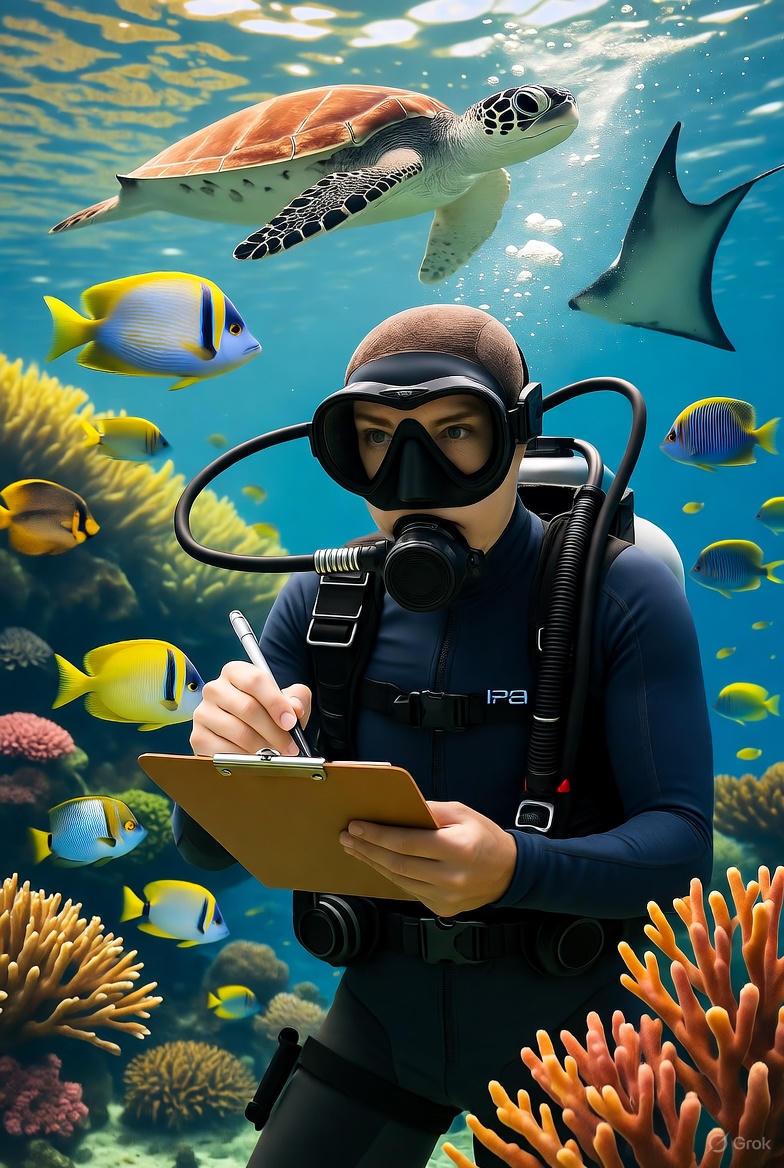
Choosing between a BSc in Marine Biology and a BSc in Biological Sciences can feel like navigating a coral reef maze—both paths are exciting, but they lead to different shores. Let’s dive into the key differences, vibes, and career currents to help you decide which degree fits your goals, based on what’s out there in the academic and job seas as of October 2025.
Marine Biology: The Ocean’s Calling If you’re obsessed with the ocean—think coral reefs, whale migrations, or deep-sea critters—a Marine Biology degree is your ticket to studying life in the blue. It’s a specialized track, often housed under biology departments, focusing on marine ecosystems, organisms, and their interactions.
What you’ll study: Expect courses like marine ecology, oceanography, ichthyology (fish science), and coastal conservation. You’ll get hands-on with fieldwork—think snorkeling surveys or boat-based research—alongside lab work on marine microbes or genetics. Programs often emphasize climate impacts, like ocean acidification or coral bleaching, reflecting 2025’s push for sustainability.
Vibe: Niche and adventurous. You’re signing up for a tight-knit community of ocean nerds, often studying near coasts (think Dalhousie in Canada or UC Santa Barbara). Fieldwork’s a big draw, but it’s not all beach days—expect muddy mangroves and long lab hours.
Careers: Jobs lean toward marine conservation, aquaculture, fisheries management, or research (e.g., studying microplastics’ effects on plankton). Roles like marine ecologist or dive instructor are dreamy but competitive. Many grads need a master’s for top gigs—think marine policy analyst or NOAA researcher.
Starting salaries? Around $40K-$60K USD, per recent data, with government or NGO roles common.
Pros: Hyper-focused on oceans, perfect if you’re passionate about marine life. Fieldwork builds skills like scuba certification or GIS mapping. Growing demand in climate-focused roles.
Cons: Narrow focus can limit flexibility. Jobs are often coastal, so relocation might be non-negotiable. Research roles can be grant-dependent and precarious.
Biological Sciences: The Big Picture of Life A Biological Sciences degree is the Swiss Army knife of biology—broad, versatile, and covering all living things, from microbes to mammals. It’s less about diving into one ecosystem and more about mastering the principles of life itself.
What you’ll study: You’ll tackle cell biology, genetics, evolution, ecology, and physiology, with electives letting you dabble in marine, terrestrial, or even medical topics. Think dissecting frogs, sequencing DNA, or modeling ecosystems. Programs (like those at UBC or Oxford) emphasize critical thinking and lab skills, with less fieldwork than marine bio.
Vibe: Generalist and foundational. It’s for those who love biology but aren’t ready to commit to one niche. You’ll have more classmates and broader faculty expertise, with flexibility to pivot toward interests like biotech or zoology.
Careers: The world’s your oyster; graduates go into biotech, pharmaceuticals, environmental consulting, or academia. You could end up as a lab tech, wildlife biologist, or even pivot to med school (a common path). Salaries vary widely: $45K-$70K USD for entry-level roles, with biotech or industry jobs paying higher. A master’s or PhD opens doors to research or policy.
Pros: Flexibility is king—you can specialize later (e.g., via grad school) or explore diverse fields. Broader job markets, from urban labs to rural conservation. Strong prep for further study like medicine or genetics.
Cons: Less hands-on fieldwork; it’s more lab- or theory-heavy. Can feel overwhelming if you’re not sure what biology branch you love. Less “romantic” than marine bio’s ocean allure.The Decision: Ask Yourself This
Are you ocean-obsessed? If you dream of tagging sharks or saving coral reefs, Marine Biology’s your jam. It’s specialized, so you’ll need to be all-in on marine systems, even if it means coastal moves or grad school for better gigs.
Want options? Biological Sciences gives you breathing room. You can still take marine electives (many programs offer them) but also explore genetics, ecology, or biotech. It’s safer if you’re unsure or want urban job markets.
Career goals? Marine bio leans toward conservation or research; bio sciences opens doors to industry, healthcare, or academia. Check job boards (Indeed, LinkedIn) for local demand—marine jobs cluster near coasts, while bio sciences roles are everywhere.
Lifestyle fit? Marine bio often means fieldwork in remote spots, sometimes low-paid or seasonal. Bio sciences can land you in stable lab or corporate roles, with less need to relocate.
Hot Tip for 2025: Both fields are buzzing with climate and biotech advancements. Marine bio’s hot for ocean restoration (think seaweed farming), while bio sciences grads are in demand for CRISPR tech and synthetic biology. Check programs for hands-on opps—Marine Biology at James Cook University (Australia) or Biological Sciences at MIT offer killer research access.
TL;DR: Go Marine Biology if you live for the ocean and don’t mind a niche path with fieldwork highs and job-hunt lows. Pick Biological Sciences for versatility, broader career options, and a less geographically tied future. Either way, biology’s a wild ride—choose your adventure!
Got a specific uni or career in mind? Drop it, and I’ll tailor the advice.
-
-
AuthorPosts
- You must be logged in to reply to this topic.