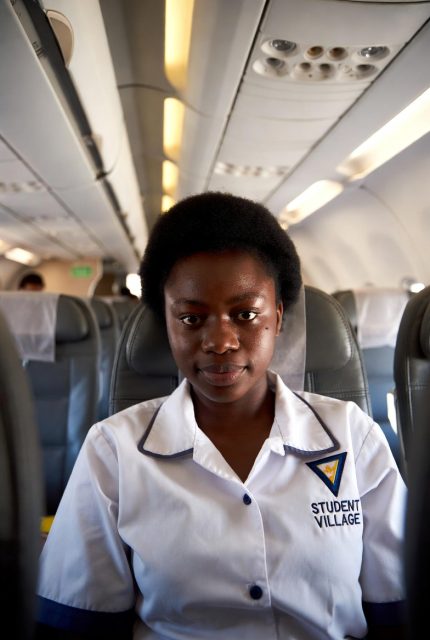
Survival Guide for First-Time International Students. Studying abroad is one of the most exciting — and intimidating — experiences of your life. You’re not just changing schools; you’re changing countries, cultures, and everything you’ve ever known about daily life.
Whether you’re flying to Canada, the U.S., the U.K., or Australia, this guide walks you through every stage — from preparing before you leave, to settling in, to thriving academically, financially, and socially once you arrive.
1. Before You Go: Preparation is Survival
The biggest mistakes most international students make happen before they board the plane. Good preparation is what turns panic into confidence once you land.
a. Get Your Paperwork Right — No Excuses
This is the foundation of your entire study experience. A single missing document can delay registration, visa renewal, or even cost you your place.
Checklist:
- Passport and Visa
- Ensure your passport is valid for at least 6 months beyond your program’s end date.
- Read your visa carefully. Some student visas limit work hours, or require reporting changes like address updates.
- Print multiple copies of your visa approval and keep them in separate bags.
- University Admission & Enrollment Letters
- Carry hard copies of your admission letter, tuition payment receipts, and CAS/I-20 forms.
- You’ll need them at immigration and during your first registration week.
- Health Insurance
- Many countries require proof of coverage before issuing a visa.
- Check if your school provides one or if you must buy it independently.
- Read the fine print: Does it cover emergency care, hospitalization, or mental health?
- Accommodation Documents
- If you’re staying on campus, print your housing offer and check-in instructions.
- If you’re renting privately, confirm your landlord’s details and tenancy dates before flying.
- Backup Everything Digitally
- Upload PDFs of all documents to Google Drive, iCloud, or Dropbox.
- Keep a USB backup in your luggage in case you lose internet access.
Pro Tip: Don’t assume “everything’s in my email” — immigration officers or landlords may require printed proof on arrival.
b. Budget Like a Realist — Not an Optimist
Many students arrive thinking, “I’ll figure out the money later.” Bad idea. Living abroad is often more expensive than you expect — and exchange rates can change overnight.
Steps to Build a Smart Budget:
- Calculate Monthly Essentials
Include:- Rent + utilities (electricity, water, internet)
- Transportation (bus/train cards)
- Food (groceries + occasional eating out)
- Phone plan
- Textbooks and study materials
- Health insurance or medical costs
- Personal items and emergency savings
- Research Cost of Living
- Use sites like Numbeo.com or Expatistan.com for real-time data.
- Ask current students via Facebook or Reddit what they spend monthly.
- Open a Bank Account Early
- Choose one that offers student benefits and no international transaction fees.
- Learn about overdraft limits — overdrawing can hurt your credit history.
- Track Your Spending
- Use apps like Mint, YNAB, or Revolut to track every expense.
- Set spending limits and review weekly.
💡 Reality Check: If you’re converting from naira, rupees, or pesos, your money will shrink faster abroad. Budget with your new currency, not your old one.
c. Learn the Local Culture — It’s Your Survival Language
Culture shock is real. It’s not just about accents — it’s about how people think, eat, study, and even argue.
Learn before you arrive:
- Basic Etiquette
- Greetings, personal space, and eye contact differ by culture.
- For example, Americans value small talk and directness; Japanese culture values humility and formality.
- Academic Behavior
- Plagiarism rules are strict in Western schools — copying even a paragraph can lead to expulsion.
- Professors may expect debate and questioning, not quiet agreement.
- Deadlines are sacred. Late work can cost entire grade points.
- Social Culture
- Understand humor, slang, and conversational tone.
- Observe local dating norms and personal boundaries — what’s casual in one country can be offensive in another.
- Local Laws
- Know your rights and limits: drinking age, curfews, drug laws, and police interaction.
- Ignorance of the law is not an excuse abroad.
🧭 Tip: Watch local YouTubers or TikTok creators from your destination country — you’ll learn unfiltered realities fast.
2. The First Month: Finding Your Feet
The first few weeks are usually overwhelming — everything feels new, even how people cross the street. Here’s how to settle in without feeling lost.
a. Surviving Culture Shock
Culture shock often follows stages: Excitement → Confusion → Homesickness → Adjustment → Acceptance.
You can’t skip it, but you can manage it.
What to Do:
- Stay Curious, Not Judgmental: When something feels “weird,” ask why, instead of rejecting it.
- Create Familiarity: Cook your home food, play familiar music, decorate your room with photos.
- Find “Comfort Spaces”: Cafés, parks, or student lounges where you feel relaxed.
- Reach Out Early: Join student groups and attend campus events even if you feel awkward.
- Limit Comparison: You didn’t move abroad to recreate your home — embrace difference.
b. Navigating Campus Life
Your university will become your ecosystem — learn how to use it fully.
- Attend Orientation Seriously
- You’ll learn visa requirements, campus resources, and academic systems.
- It’s also where friendships start — don’t skip it.
- Know the International Office
- They handle visa extensions, work permits, and emergencies.
- Build a relationship with them early — you’ll need them later.
- Join Clubs and Societies
- It’s the fastest way to make friends.
- Pick at least one from your home country for comfort and one international for exposure.
- Understand Academic Expectations
- Use plagiarism checkers (like Grammarly Premium or Turnitin).
- Learn citation styles (APA, MLA, Harvard).
- Read your syllabus carefully — it’s your academic map.
c. Managing Homesickness
Everyone misses home. It hits hardest at night or during festivals.
Coping Mechanisms:
- Stay Connected, But Not Stuck: Schedule weekly video calls, not daily dependency.
- Find a Support Group: Other international students are going through the same thing.
- Exercise and Stay Busy: A structured day leaves less room for loneliness.
- Celebrate Your Culture: Cook for your friends, share your music — it keeps you rooted.
💬 Remember: Missing home doesn’t mean you’re failing abroad; it means you care.
3. Money, Work, and Daily Living
Once you settle in, survival turns practical. You’ll need to balance living costs, study schedules, and work opportunities.
a. Working While Studying
Know Your Rights:
- Most student visas allow up to 20 hours per week during term time, and full-time during holidays.
- Working more than allowed can get your visa revoked.
- On-campus jobs (library, student union, tutoring) are easiest and visa-safe.
Finding Jobs:
- Check your university’s career center or student portal.
- Use local job boards or apps like Indeed or Handshake.
- Polish your resume to local standards (short, skill-based, achievement-focused).
Managing Work-Life Balance:
- Don’t take a job that clashes with your studies.
- Save at least 30% of your earnings.
- Remember — you’re a student first, employee second.
b. Smart Money Habits
- Cook at Home
- Learn 5 cheap meals: rice dishes, pasta, eggs, soups, and sandwiches.
- Cooking saves thousands yearly.
- Buy Secondhand
- Thrift stores and Facebook Marketplace are goldmines for furniture and textbooks.
- Use Student Discounts Everywhere
- Always ask — transport, movie tickets, software (Adobe, Microsoft Office, Spotify, etc.), even restaurants.
- Emergency Fund
- Save at least one month’s rent as backup.
- You never know when a card freezes or a flight gets delayed.
c. Transportation and Safety
Master the Transit System:
- Get a student bus/train card. It’s cheaper and faster.
- Download transport apps like Citymapper, Moovit, or Transit.
Stay Safe:
- Know emergency numbers (they differ per country — e.g., 911 in the U.S., 999 in the U.K., 112 in Europe).
- Avoid risky areas after dark until you know your city.
- Don’t carry large sums of cash.
- Use verified taxi apps only.
4. Building a Social Life Abroad
You’re in a new country — you deserve to live, not just survive.
a. Making Friends Across Cultures
- Be Open-Minded: Avoid sticking only with your home-country crowd.
- Ask, Don’t Assume: Be genuinely curious about other people’s cultures.
- Join Group Projects, Sports, or Volunteering: These are natural spaces for real friendships.
- Respect Differences: Political and religious conversations are sensitive — listen more than you speak.
b. Balancing Fun and Focus
Freedom abroad can derail you fast — late nights, parties, and missed deadlines sneak up.
- Set daily study hours.
- Reward yourself with social time after completing work.
- Surround yourself with friends who share your academic values.
🎯 Rule: Every assignment handed in on time buys you a stress-free weekend.
5. Mental Health and Personal Wellbeing
Life abroad can be heavy — loneliness, financial stress, academic pressure — all hit at once.
Stay Grounded:
- Sleep: Jet lag can ruin focus. Keep a regular schedule.
- Diet: Balance local food with familiar meals to avoid digestive stress.
- Exercise: Even 15 minutes of walking helps mental clarity.
- Talk to Someone: Universities usually offer free counseling — use it before burnout hits.
🧠 Taking care of your mind is not a weakness. It’s part of survival.
6. Planning for the Future
a. Internships and Work Experience
- Visit your career office in your first semester.
- Learn how to build a local-style resume.
- Attend career fairs, networking events, and student conferences.
- Use LinkedIn to connect with alumni from your school — they’re often willing to help.
b. Building a Global Identity
Studying abroad makes you more than a degree-holder; it turns you into a global thinker.
- Reflect on what you’ve learned about independence, culture, and adaptability.
- Keep a record of achievements — it’ll help in job interviews.
- When you return home or move again, use those experiences to lead, teach, and inspire others.
Final Word
Your first year abroad will stretch you — mentally, emotionally, and financially. You’ll make mistakes, miss home, and wonder if you made the right decision. But you’ll also grow, make lifelong friendships, and build resilience no classroom can teach.
Every challenge you face abroad becomes a story — one that shapes the global citizen you’re becoming.
So, pack your courage with your passport.
You’re not just moving abroad to study — you’re moving abroad to become.